

Union Budget: Defence, railways look to sustained capex and policy push
Union Budget: Defence, railways look to sustained capex and policy push
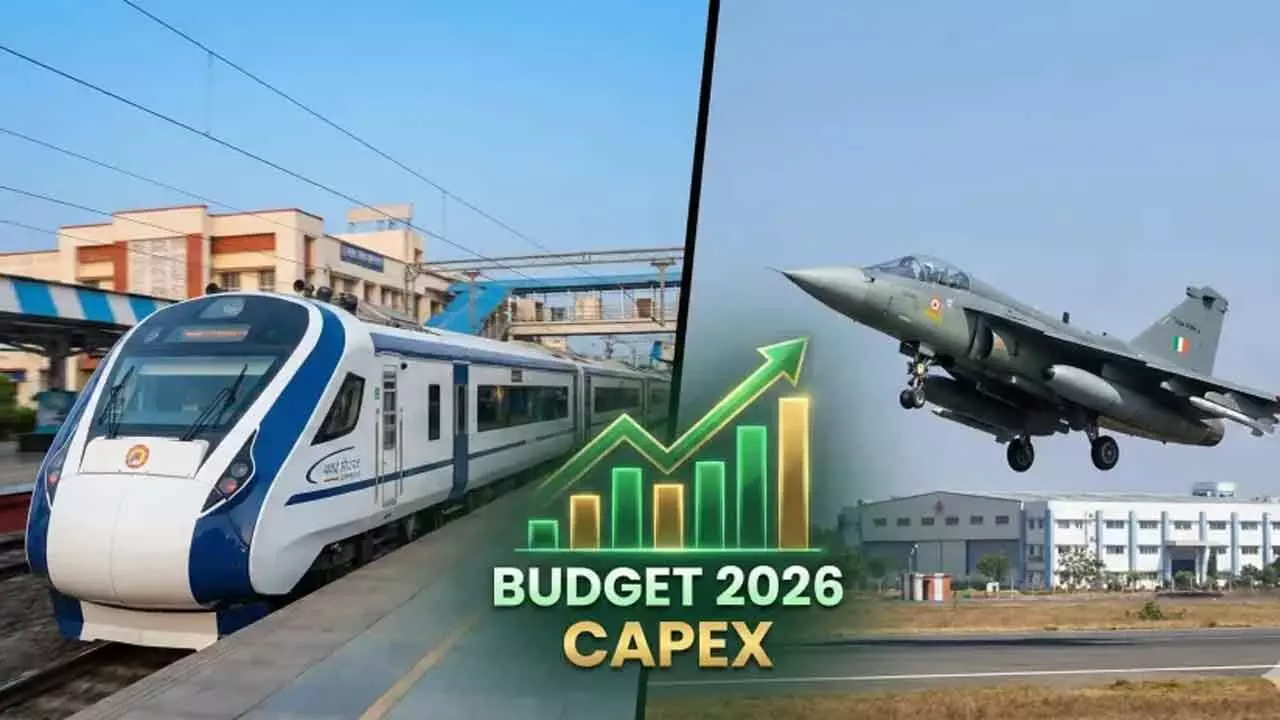
With yet another Union Budget drawing closer, Indian defence sector is looking forward to targeted export incentives and enhanced credit support, among other measures, to help scale defence exports towards long-term national targets.
Experts believe the sector’s growth can be accelerated through stronger Budgetary support for indigenisation and exports. Key expectations include expanding the Positive Indigenisation Lists, strengthening defence industrial corridors through better fiscal incentives and infrastructure, simplifying licensing and export procedures, and increasing allocations for R&D, innovation and technology transfer.
From an allocation standpoint, aerospace and defence electronics are expected to see the maximum impact. This will be driven by sustained capital expenditure on aircraft, aero-engines, Air Force modernisation and technology-intensive systems such as surveillance, communications and electronic warfare. Shipbuilding is also likely to remain a key beneficiary, supported by continued investment in naval fleet expansion.
From an investor’s perspective, companies with strong order visibility, execution capability and favourable policy tailwinds appear best positioned for long-term growth. Leading players in aerospace, defence electronics and naval shipbuilding are expected to benefit from rising indigenisation, export opportunities and long-term strategic procurement.
Meanwhile, optimism appears to be returning to railway stocks after the recent correction.
For the Union Budget 2026–27, analysts expect a modest increase in capital expenditure for Indian Railways, with allocations likely to rise to around Rs2.75 lakh crore from Rs2.52 lakh crore, implying a nearly 10 per cent increase. This reflects a continued focus on network expansion and modernisation rather than an aggressive capex push. With over 80 per cent of the current year’s capex already utilised by December 2025, execution momentum remains strong.
Budgetary support is expected to prioritise modern trains, safety initiatives, signalling and technology-led upgrades, in line with long-term modernisation goals. On the passenger side, expansion of Vande Bharat services, including sleeper variants, and affordable high-capacity trains is likely to continue.
Overall, infrastructure and EPC segments are expected to benefit the most, as track expansion, electrification, signalling and safety projects account for a significantly larger share of railway capex compared to rolling stock. The anticipated 10–12 per cent rise in railway capex to nearly Rs2.8 lakh crore in FY27 could translate into healthy order inflows across EPC, safety systems, track works, electrification, station redevelopment and rolling stock.
Improving railway finances and strong execution should support revenue visibility for EPC and infrastructure players, while also benefiting rolling stock manufacturers. Post-Budget, public sector railway stocks may appeal to investors seeking stability and policy-linked earnings visibility, while private sector players could offer higher growth potential due to scalability and technology adoption, albeit with higher valuation and execution risks.





